


17 August 2026
Big Opportunities in Regional Medicine

From intensive care units in regional Queensland to international collaborations with NASA-linked researchers and some of the world’s leading neuroscience institutions, Associate Professor Eamon Raith is helping put Mackay on the map as an emerging centre for advanced medicine and healthcare innovation.
The intensive care medicine specialist and neurocritical care researcher has built a career spanning frontline regional medicine, global research partnerships and cutting-edge work in biophotonics — all while remaining committed to improving healthcare outcomes for rural and regional communities.
Despite training and working internationally, including at London’s renowned National Hospital for Neurology and Neurosurgery at Queen Square, A/Prof Raith believes Mackay offers something increasingly rare in modern medicine: the opportunity for junior doctors to gain hands-on experience, contribute meaningfully to patient care and become involved in globally connected research while embedded in a regional community.
A/Prof Raith, the Research Lead at Mackay Clinical School, believes that regional centres like Mackay are reshaping outdated ideas about where advanced medicine happens and who gets to be involved in it.
“I've had a lot of exposure to rural and regional medicine during my training and always took opportunities to work in regional environments as a medical student and as a junior doctor,” he said.
“I think critical care in regional settings gets the reputation of being simpler cases and the hard cases get flown down to the big city ICUs. But that's very much not the case.”
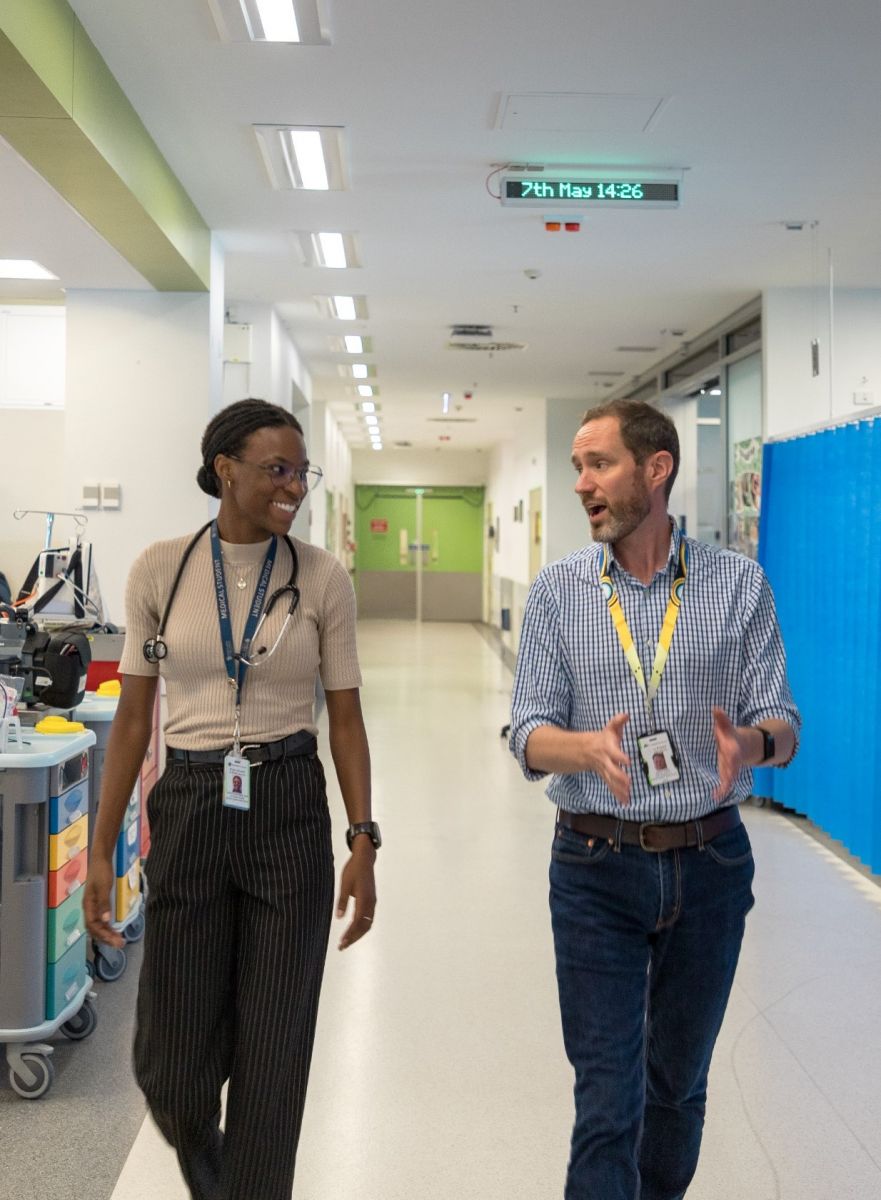
He said a significant number of critically ill patients in regional hospitals were managed locally by highly skilled teams, allowing patients to stay closer to their families and communities while still receiving advanced care.
“ICUs in regional areas are not just a stopping point on the way to another centre,” he said.
“A significant proportion of critically ill patients are intubated and ventilated for extended periods in rural and regional settings and never need to be transferred to city hospitals because the expertise and knowledge already exist locally.”
That reality has helped shape A/Prof Raith’s research agenda through James Cook University, where he is focused on improving outcomes for critically ill patients in rural and regional environments.
“What we need is far more research into critical care delivery, outcomes and interventions in rural and regional environments, where patients are often sicker, distances are greater and care may need to be delivered over longer periods of time,” he said.
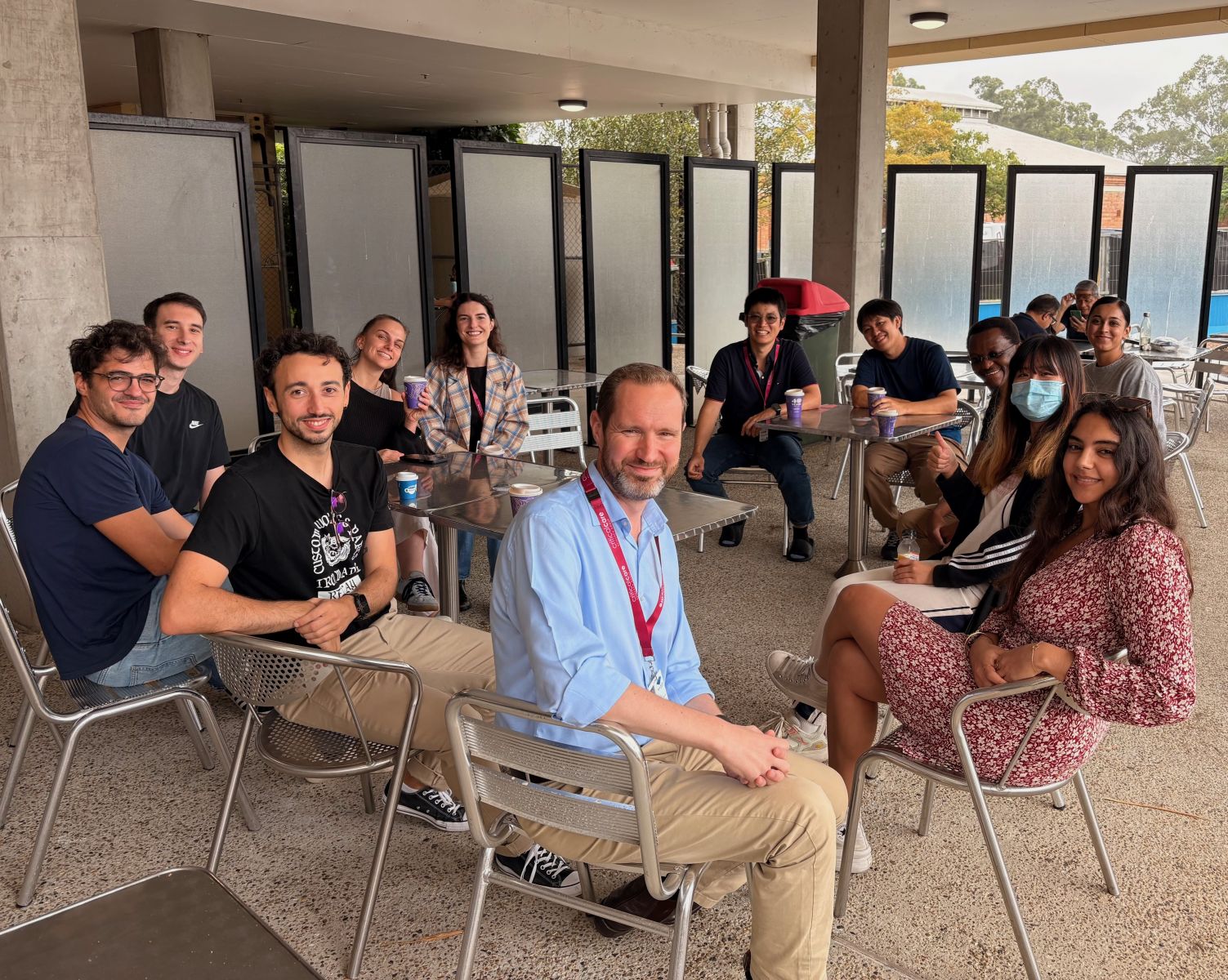
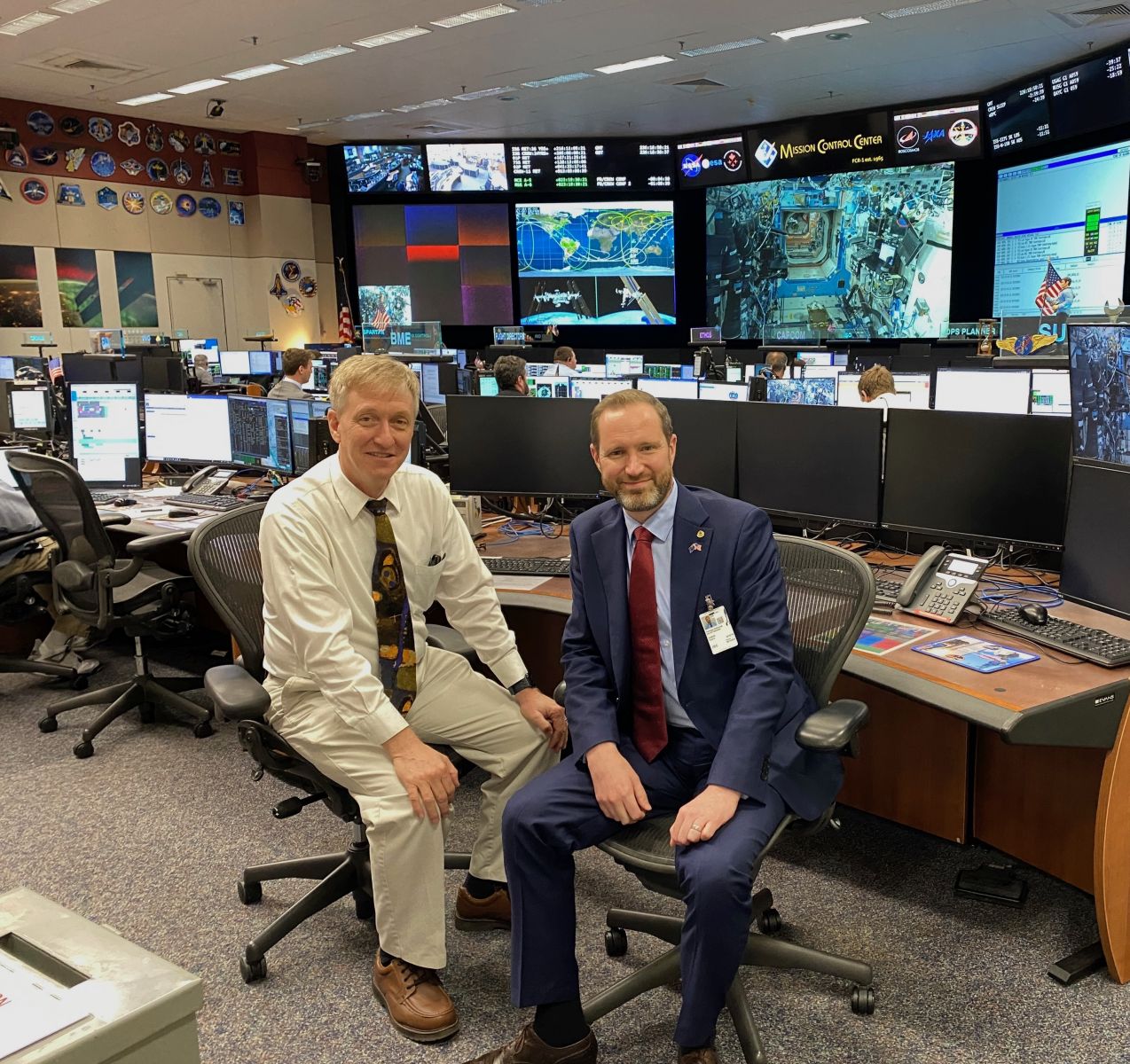
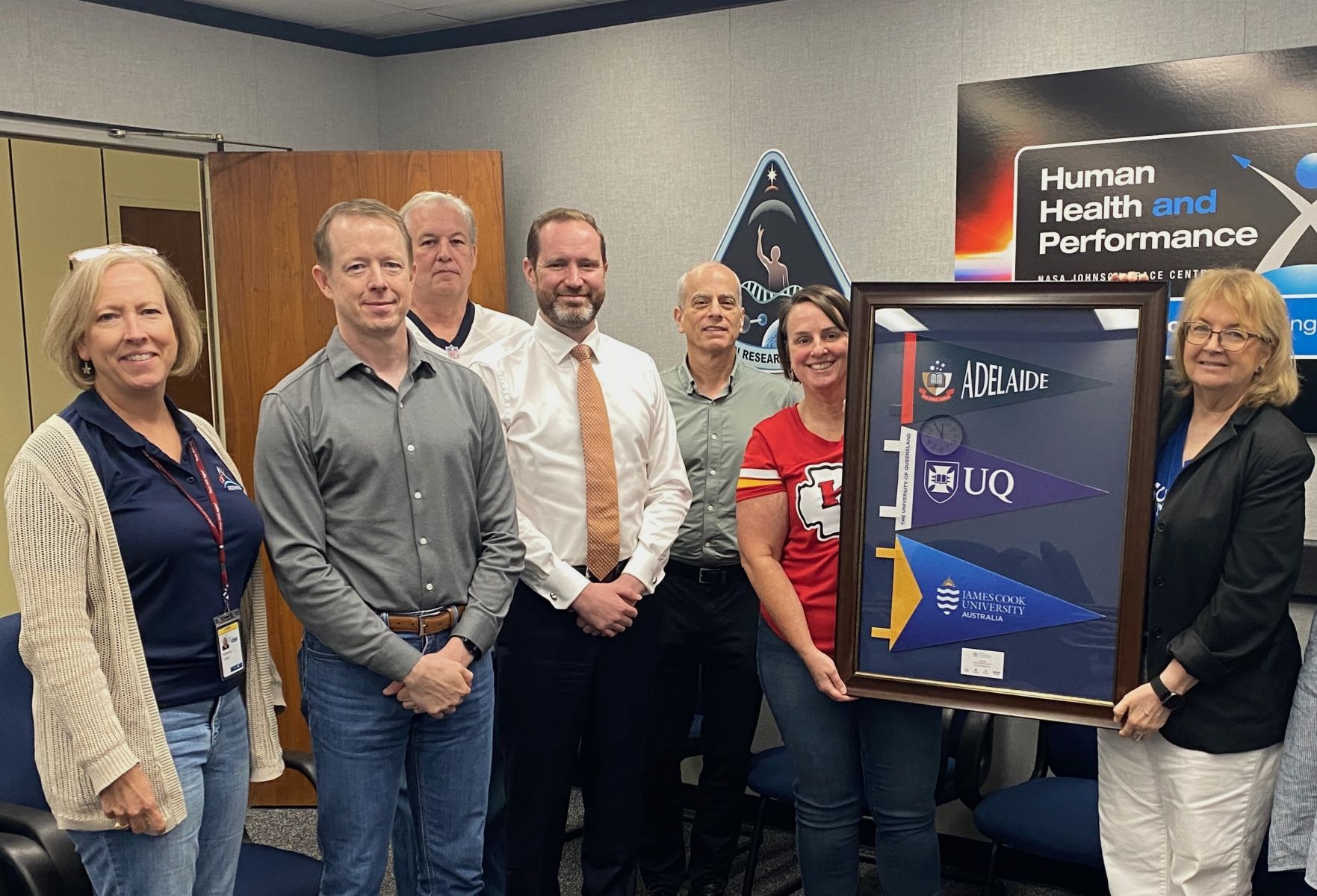
For A/Prof Raith, it highlights how regional Australia can play a role in globally significant research while still solving real-world healthcare challenges closer to home.
“The way I practice neurocritical care in Mackay is very different to how I practiced it in London at Queen Square,” he said.
“It comes back to the question of how we deliver sub-specialty care with the resources available to us and determine which patients need to be transferred elsewhere and which can safely be managed locally.”
His work in biophotonics, the use of light to monitor and potentially influence patient outcomes, is helping develop non-invasive technologies that could improve neurological monitoring in regional hospitals without requiring highly specialised neurosurgical procedures.
“It positions Mackay at the forefront of an emerging technological field, contributing to the development of new technologies that could have immediate applications in regional healthcare settings,” he said.
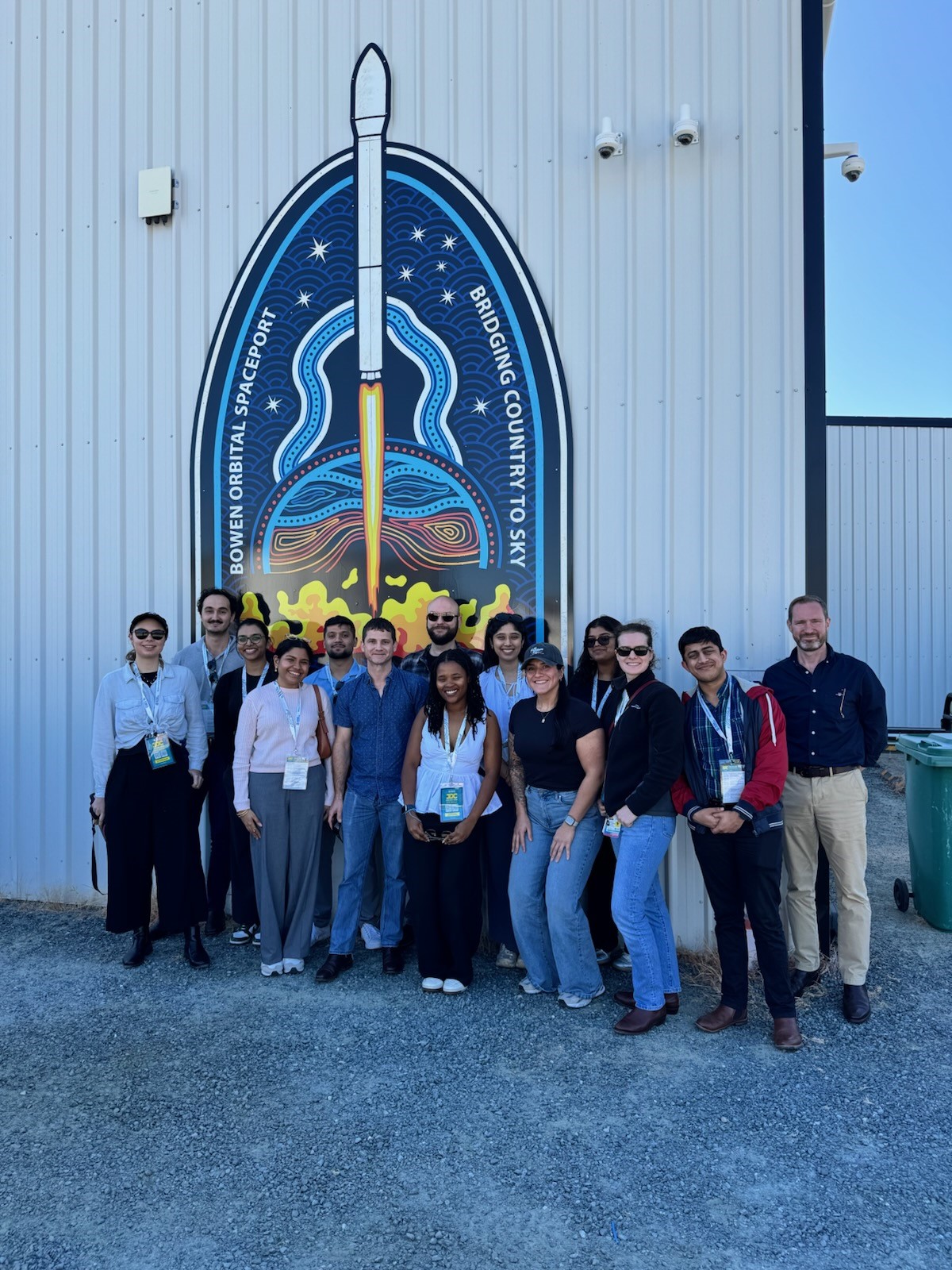
A/Prof Raith believes one of the biggest advantages of regional training is the level of responsibility and connection junior doctors can experience early in their careers.
“In a large hospital, it can be easy for junior doctors to feel like a small cog in a very big machine and difficult to see the direct impact they are having on their community,” he said.
“Whereas by working in a rural and regional setting, you become part of the community. You may see your patients out at the shops; there is real validation that comes with that.”
He said doctors training in Mackay were exposed to a wide variety of presentations not always encountered in metropolitan centres, from tropical infectious diseases and trauma to mining-related injuries and respiratory conditions linked to the resources sector.
“You are encouraged to assess patients, make decisions and contribute meaningfully to patient care in a supportive and supervised environment, often earlier in your career than you might experience in a larger metropolitan hospital,” he said.
For all the professional opportunities, A/Prof Raith said Mackay’s lifestyle also played a major role in attracting and retaining doctors.
“The key to living in Mackay is getting involved in the community, and I don’t just mean going to the pub,” he said.
“Join a sports team, learn to drive a boat, learn to sail, or drive up to Eungella and see a platypus.”
“You’re close to world-class islands and some of the most beautiful destinations in the country. It offers an incredible lifestyle opportunity.”


NQRTH is an initiative of the Australian Government's Integrated Rural Training Pipeline (IRTP) and is facilitated by James Cook University in partnership with public and private hospitals, Queensland Aboriginal and Islander Health Council (QAIHC), health services, Aboriginal Community Controlled Health Organisations (ACCHOs) and GP clinics.
Cairns Region
(07) 4226 7138
Central West Region
(07) 4764 1547
Mackay Region
(07) 4885 7122
North West Region
(07) 4764 1547
Torres and Cape Region
(07) 4226 7138
Townsville Region
(07) 4781 3424