



General Practice training
General Practice training
Considering a career as a General Practitioner or Rural Generalist in regional or remote Queensland? NQRTH is here to guide and support you on that journey.
While General Practice training is delivered by accredited training providers Royal Australian College of General Practitioners (RACGP) and the Australian College of Rural and Remote Medicine (ACRRM), NQRTH can help you navigate the GP and RG training pathways, from medical school through to Fellowship.
Why become a GP in northern Queensland
- Rich and Diverse Clinical Exposure: Train in one of Australia’s most varied healthcare environments—where no two days are the same. From bustling regional centres and coastal hubs to remote inland communities and First Nations health services, North Queensland offers exposure to a wide range of clinical presentations, patient populations, and practice settings that you won’t find elsewhere in the country.
- Integrated Training Pathways: Seamlessly transition from medical school to fellowship with support at every stage.
- Community Impact: Make a tangible difference in underserved areas, enhancing healthcare outcomes.
- Collaborative Network: Train alongside experienced professionals in GP clinics, Aboriginal Community Controlled Health Organisations (ACCHOs), and hospital and health services.
General Practice stories from across our region

8th April 2025
Dr Prue Wallin: A Passion for Rural Medicine
For Dr Prue Wallin, medicine has always been about connection—caring for patients holistically and understanding the broader community context. A graduate of James Cook University’s second cohort of medical students in 2006, she has spent the past 19 years forging a career in rural and remote medicine across Queensland. Prue, who is a keynote speaker at JCU Medicine 25-year Anniversary Celebration symposium, was recently announced the Queensland Rural Generalist Pathway Medical Director. This pathway provides doctors with the advanced training, skills and support needed to look after the health needs of rural communities. Prue has been a Rural Generalist Training Advisor since 2016 and is a QRGP alumna. A Pathway to Rural Medicine Prue says she was drawn to the then new JCU Medicine program, with its hands-on, practical approach to medical education and its focus on rural and remote health. “I could enrol from undergraduate, which really appealed to me,” she says. “JCU was still being built when I started, and I had a moment when I turned up for my interview of thinking, ‘Oh my gosh, what am I doing?’ It certainly looked different to the Sandstone buildings of UQ. But as soon as I accepted the position, I was glad I chose JCU. It was collegiate, supportive and hands-on with a focus on rural exposure. Serendipitously all that rural time helped reinforce my future career path and that this is where I’m best suited.” With a Queensland Health scholarship, she became one of the inaugural rural generalist pathway trainees, completing her internship in Cairns, advanced skills training in anaesthetics in Ipswich, and working as a Senior Medical Officer (SMO) in Cooktown for several years. She recently worked for three years as the sole medical officer on Badu Island in the Outer Torres Straits, which she describes as the ‘job of a lifetime’. Recently she has relocated with her young family to the Sunshine Coast hinterland.
Read More
4th March 2024
Something in the Ayr
For General Practice (GP) Registrar, Dr Ashleigh Attard, there is no place like home. After receiving hands-on GP training and experience practising in regional and remote clinics across Northern Queensland, Dr Attard returned home to complete her final GP practice placement in Ayr. Ashleigh said, the decision to move home to service the community was an easy one. “I thought it would be nice to come back and work at home, in a community that I'm familiar with,” she said. “I wanted to give back to the community where I've lived my whole life and all my family still lives here. It was an easy decision to make.” During the 18-month placement at Outback Family Medicine, Ashleigh received support, supervision and training from her cousin, an experienced GP working at the practice. “I had that family connection to the workplace already and it was a great environment to do my training in,” she said. “My cousin was a great mentor. The practice has really great patients and staff.” Working as a GP Registrar in a rural community, Dr Attard gained a wide scope of practice providing continuity of care to patients with diverse clinical presentations. “I see a lot of patients across the spectrum from young to old,” she said. “I look after the Home Hill Nursing Home and I have a lot of patients that I go to visit once a week. “I have lots of antenatal, and I'm involved in the antenatal care of some of my friends from school who are having babies. “You really get immersed in the community, and you will know so much more about your patients, and you feel like you really are making a difference in people’s lives definitely more so in a rural town.”
Read More
29th February 2024
Bridging the gap
After witnessing the negative impacts that the transience of General Practitioners (GP) had on the Mackay community, Dr Kate Bialy wanted to bridge the primary care gap. In 2019, Dr Bialy fellowed from GP training and began working at a clinic in Mackay. “My husband and I wanted to go where we could be of the most help, and we noticed there was high transience and turnover of people in the medical sphere here,” she said. “When it comes to continuity of care in medicine high turnover creates a huge gap. “I started working at Health on Central in Mackay essentially as soon as I fellowed from GP Training.” Five years later, Kate continues to make a positive impact on the health outcomes of her patients at Health on Central. Dr Bialy said, providing primary healthcare services to the Mackay community is extremely rewarding. “Being able to practise as a GP is a lifelong dream of mine,” Kate said. “Working as a GP in a regional town is extremely rewarding; seeing my patient’s health improve is the biggest highlight.” “If you are keen to make a difference in a big way to a small community, it’s very easy to do that in regional medicine.”
Read MoreHow to become a GP in northern Queensland
NQRTH works across a vast network of hospitals, general practices, Aboriginal Community Controlled Health Organisations (ACCHOs) and health services from Mackay to the Torres Strait and out to Emerald and Mt Isa.
We assist medical students, interns, junior doctors and registrars to train, live and stay in northern Queensland by supporting a seamless pathway from early medical training to specialist practice.
NQRTH can provide guidance on which rotations to preference from your intern year onward to strengthen your application for GP or Rural Generalist training, while also maximising opportunities for Recognition of Prior Learning (RPL) once selected into the training program.
How to apply
You have a choice of two College training pathways. You may choose to train with the Australian College of Rural and Remote Medicine (ACRRM) or with the Royal Australian College of General Practitioners (RACGP) or you may choose to train with both colleges. You can apply for Australian General Practice Training through these colleges anytime from PGY1.
How NQRTH can assist with training and support
- Assistance with career decisions: We can link you in with current GPs and RGs who can provide support and on-the-ground intel while you are deciding which training pathway is best for you.
- Educational Resources: Utilise a wealth of materials, including webinars, workshops, and mentorship programs.
- Access to GP education sessions: Network with your peers and hear from experienced health professionals.
- Career Planning: Receive guidance on CV writing, interview preparation, and job applications.
- Interest Groups: Support student and junior doctor GP / RG training Interest Groups, connecting students and junior doctors with current GP and RG registrars and fellows.
- Strengthen training pathways across northern Queensland.
- Support training practices and supervisors.
- Maintain the strong rural and remote GP/RG training pipeline JCU is known for.
Testimonials
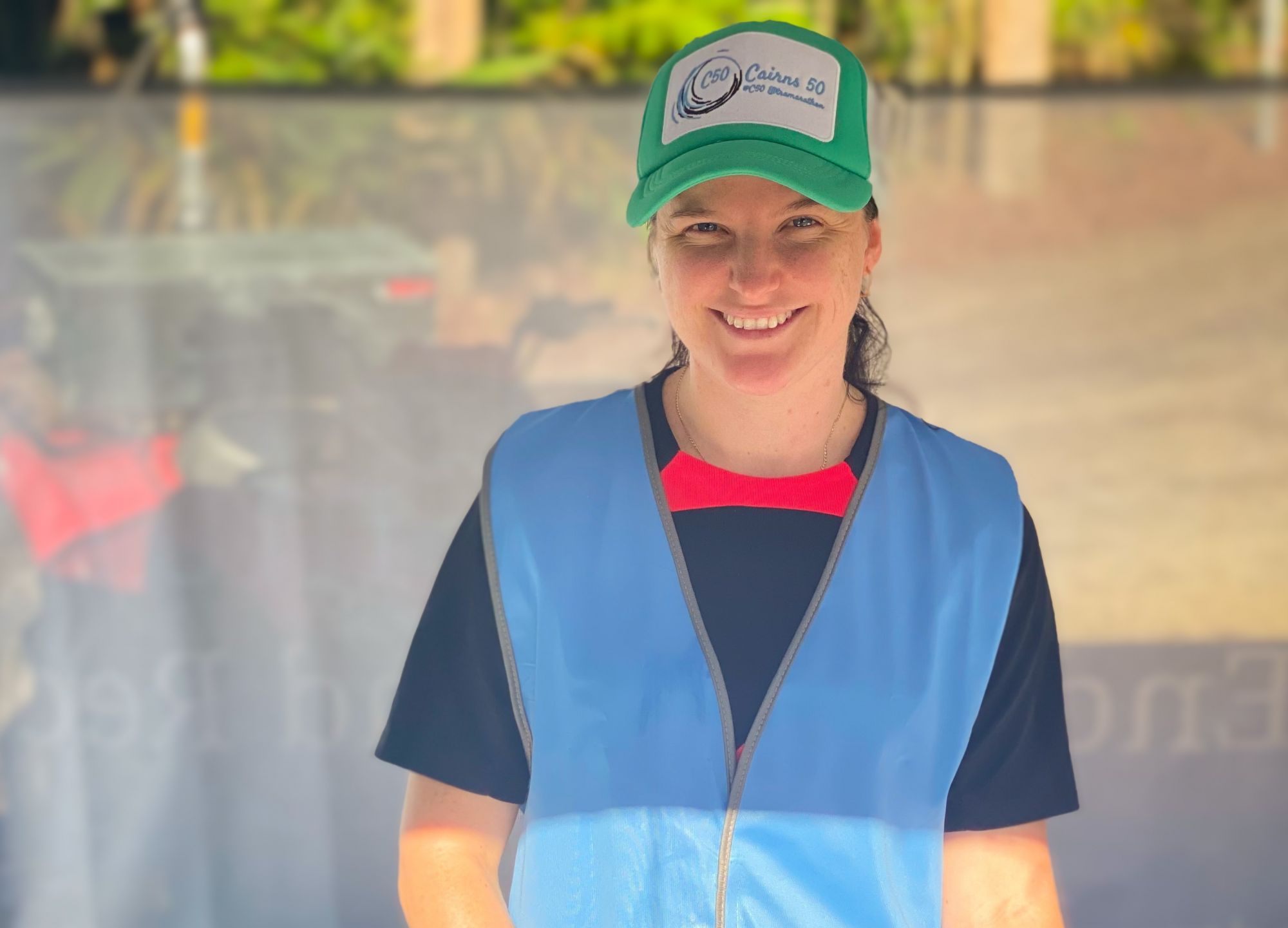
“I love the continuity of care you get in General Practice. It’s rewarding as a doctor, but it’s also important for the community because many patients ask, ‘how long are you here for?’ or ‘you’re not going anywhere?’, so they are excited to hear that I am staying on, which is very heartwarming.”
Dr Baylie Fletcher
RACGP Registrar, Tully, Far North Queensland
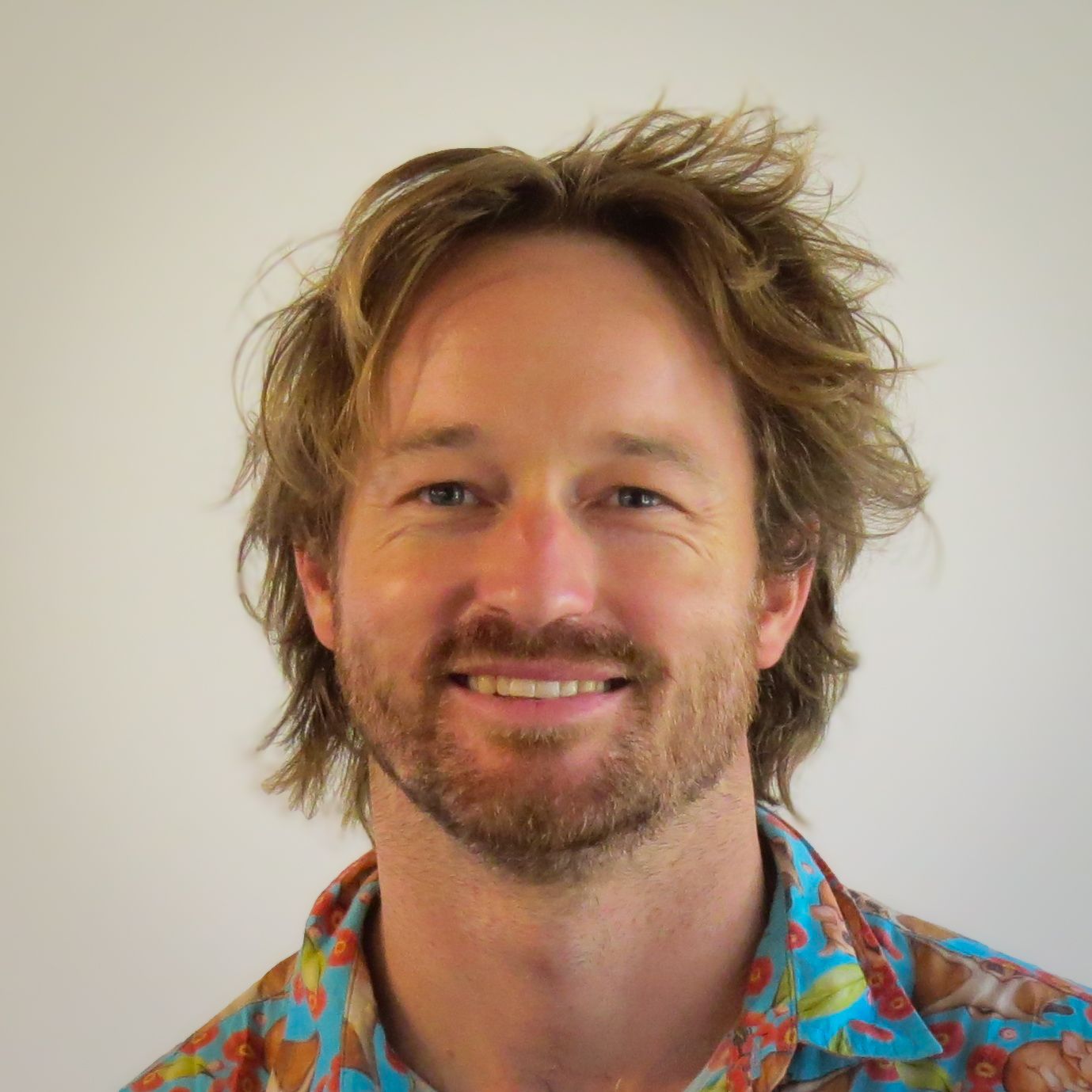
"TI (Thursday Island) is a really interesting place to train because the doctors here have a range of different experiences and backgrounds. You develop your problem-solving skills with the extra layer of logistical considerations for providing care to the outer islands. The medical workforce here is focused on investing in the education of students and junior doctors.”
Dr Joshua Baker
RACGP GP Fellow, Thursday Island, Cape and Torres
Explore our training regions
NQRTH supports training across six key regions:
Each region provides unique learning experiences and community engagement opportunities.
Application Intakes
RACGP: March and September
ACRRM: January, April, July and October
Entry Requirements
- General medical registration
- Australian Permanent Resident or Citizen
- Must be PGY 2 or above
- Refer to the Royal Australian College of General Practitioners (RACGP) or the Australian College of Rural and Remote Medicine (ACRRM) for further information on selection and/or eligibility
Additional study opportunities
Take your GP training further with JCU's postgraduate study options for clinicians. From Public Health and Lifestyle Medicine to Health Professional Education, these courses offer advanced knowledge and practical skills to help you deliver holistic care and be a leader in primary health.
GP Interest Groups for Medical Students
NQRTH actively supports medical student groups across JCU including JCUMSA, RHINO and the GPSN General Practice Student Network. We collaborate with these groups to deliver rural health events, skills workshops, career information sessions and opportunities for students to engage with general practice and rural generalist pathways.
We also connect students and junior doctors with Rural Generalist mentors, providing early exposure to clinicians who can offer guidance, real-world insights and career support throughout your training journey.

Want to find out more? Our team are here to help.


NQRTH is an initiative of the Australian Government's Integrated Rural Training Pipeline (IRTP) and is facilitated by James Cook University in partnership with public and private hospitals, Queensland Aboriginal and Islander Health Council (QAIHC), health services, Aboriginal Community Controlled Health Organisations (ACCHOs) and GP clinics.
Cairns Region
(07) 4226 7138
Central West Region
(07) 4764 1547
Mackay Region
(07) 4885 7122
North West Region
(07) 4764 1547
Torres and Cape Region
(07) 4226 7138
Townsville Region
(07) 4781 3424