


4 February 2026
Dr Carolyn Belonogoff’s Rural Commitment

For Dr Carolyn Belonogoff, rural medicine is not just a career pathway — it is a calling rooted in community, continuity, and care. She was named the Australian College of Rural and Remote Medicine (ACRRM) Queensland Registrar of the Year last year, an award which Carolyn says was an incredible honour and came as a huge surprise.
“Personally, I look around at my colleagues and peers and feel a bit of a tall poppy; how did I get this award when there are so many people doing such amazing things in their rural communities?”
For Carolyn, recognition is less about individual achievement and more about the collective impact rural doctors can have. “I am grateful that I've been able to find a community that I love and want help create positive change in. As a rural doctor there's so much you can do for a community, and something as simple as being a constant in the community makes a big difference.”
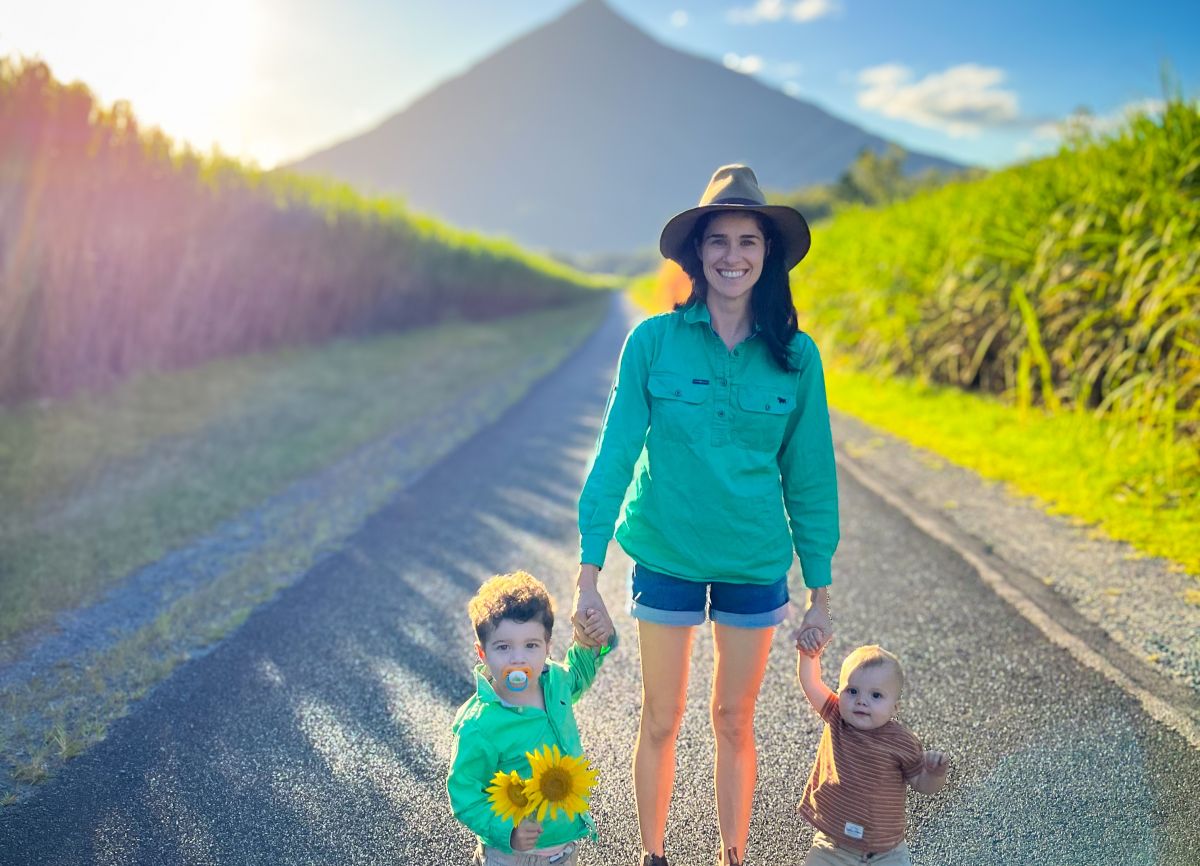
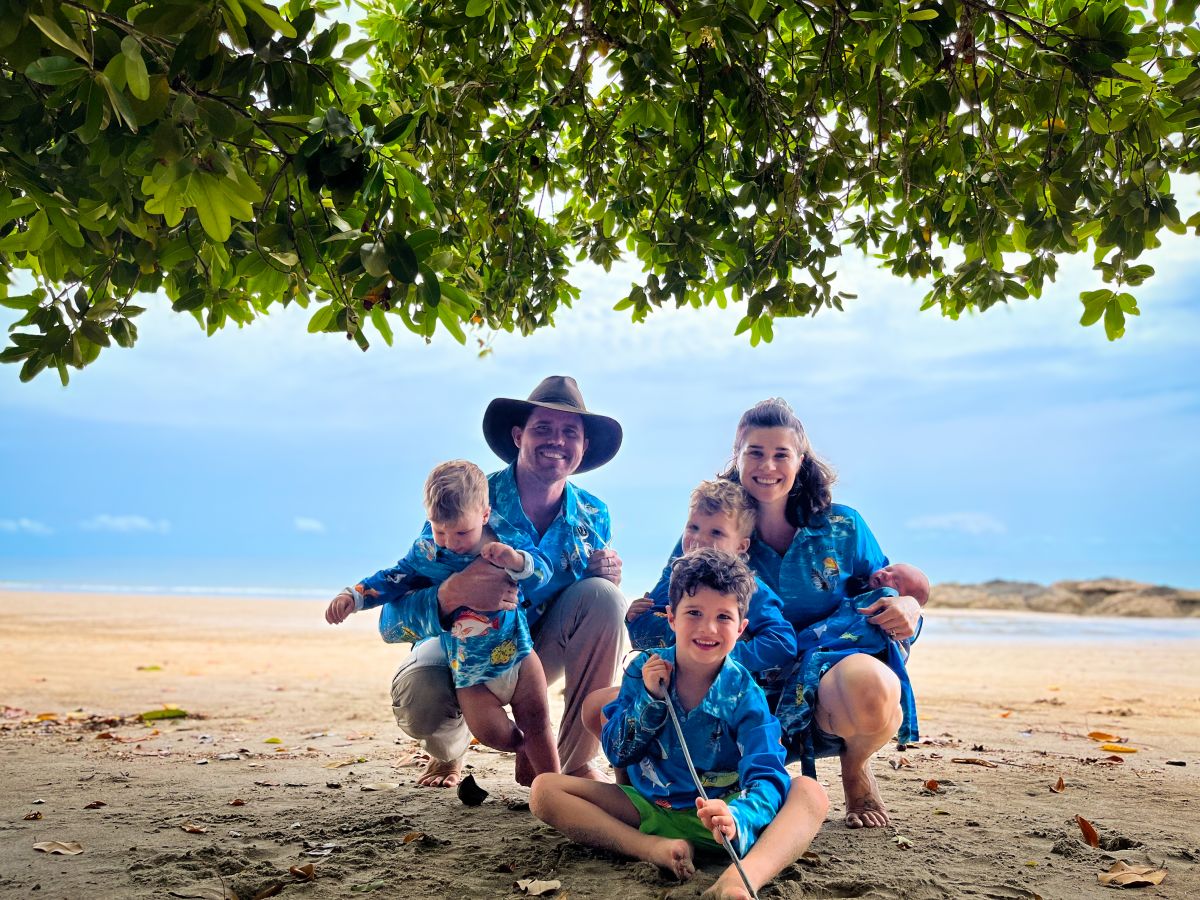
Carolyn and her husband, also a local doctor, juggle their work whilst raising four young children, aged four and under, in the small town she now proudly calls home. Working as a Rural Generalist registrar and provisional Senior Medical Officer at Babinda Multi-Purpose Health Service, Carolyn provides care across emergency, inpatient, aged care and general practice settings. Her role places her at the heart of the community — a position she values deeply.
From America to North Queensland
Carolyn, who is originally from the United States, came to North Queensland with plans to study a Master of Public Health and Tropical Medicine at James Cook University (JCU).
“Initially I was coming over to JCU to start a Masters of Public Health and Tropical Medicine. The Dean at that time suggested I do medicine first, and I was fortunate enough to get accepted,” she explains.
Carolyn initially imagined a future in global health. “I thought to make a difference I would have to go overseas and join something like MSF (Médecins Sans Frontières).”
But early exposure to rural generalism during her medical degree reframed what meaningful impact could look like.
“Then in first year I heard about a rural generalist and all they could do and how they serviced underserved populations. It was my dream job laid out for me,” she says.
JCU’s strong emphasis on rural and remote placements proved pivotal. In the fourth year of her medicine degree, Carolyn was placed in Far North Queensland — a moment that would ultimately define her future. Equally influential was the mentorship she received while there.
“I had a rural placement in Babinda and fell in love with the community. Dr Renee Cremen was my mentor, she was in the position I am now, finishing up fellowship while navigating having a family. I saw her do the juggle and make it look possible, which was the first time I had seen a doctor who had a positive work life balance,” Carolyn says.
When Carolyn’s husband — whom she met at medical school — secured an intern position in Cairns, Babinda was the obvious choice. “I reached out to Renee to see if I could come back to Babinda.”
A Doctor, a Mentor, a Constant
Today, Carolyn is deeply embedded in the Babinda community, not only as a doctor but as a parent and a local. That lived experience shapes both her clinical practice and leadership style.
“I've always had the mindset of being busy and making sure you have a life outside of work helps you prioritise things,” she says. “My life out of work is 10000x busier than at work, raising four children ages four and under. When it comes to work it's easy for me to balance it all.”
Despite competing demands, mentoring remains a priority. “I make the time to educate and mentor students and junior doctors because I know how important that was in my journey where supervisors would make that effort for me,” she says.
Her calm, compassionate approach is frequently noted by colleagues and patients alike — a skill she credits to both training and perspective.
“As I mentioned I have four kids, chaos is my baseline that I work in,” she laughs. “ACRRM (Australian College of Rural and Remote Medicine) fellowship exams and courses have been a great preparation for navigating things in a busy environment. It is also always important to remember the PERSON in front of you, and not always view them as just a patient.
“In Babinda I will see someone in the ED (Emergency Department), as well as the clinic as their GP so I have the opportunity to really get to know my community.”
For Carolyn, variety is one of rural medicine’s greatest rewards.
“Wearing the many hats is my favourite part of being a rural doctor,” she says. “I love that I can be working in the clinic in the morning, then be on-call working in ED all in the same day.” That continuity spans generations.
“In that same day I can see a 102-year-old aged care resident, their son or daughter in ED and their grandchild in GP clinic. The job never gets boring because there's so much to do and every day is different.”
Dr Carolyn Belonogoff
Her passion for teaching is equally strong. “One of the things I enjoy the most about teaching students is it's a fresh slate. They haven't developed biases around certain patient presentations and they are still formulating their workup so there is so much to learn.”
She also sees teaching as advocacy for rural medicine itself. “I also love the opportunity to show them all that a rural doctor can do, so even if they don't end up working rural they can develop an appreciation for the work that is done at a rural hospital.”
Supporting the Rural Workforce
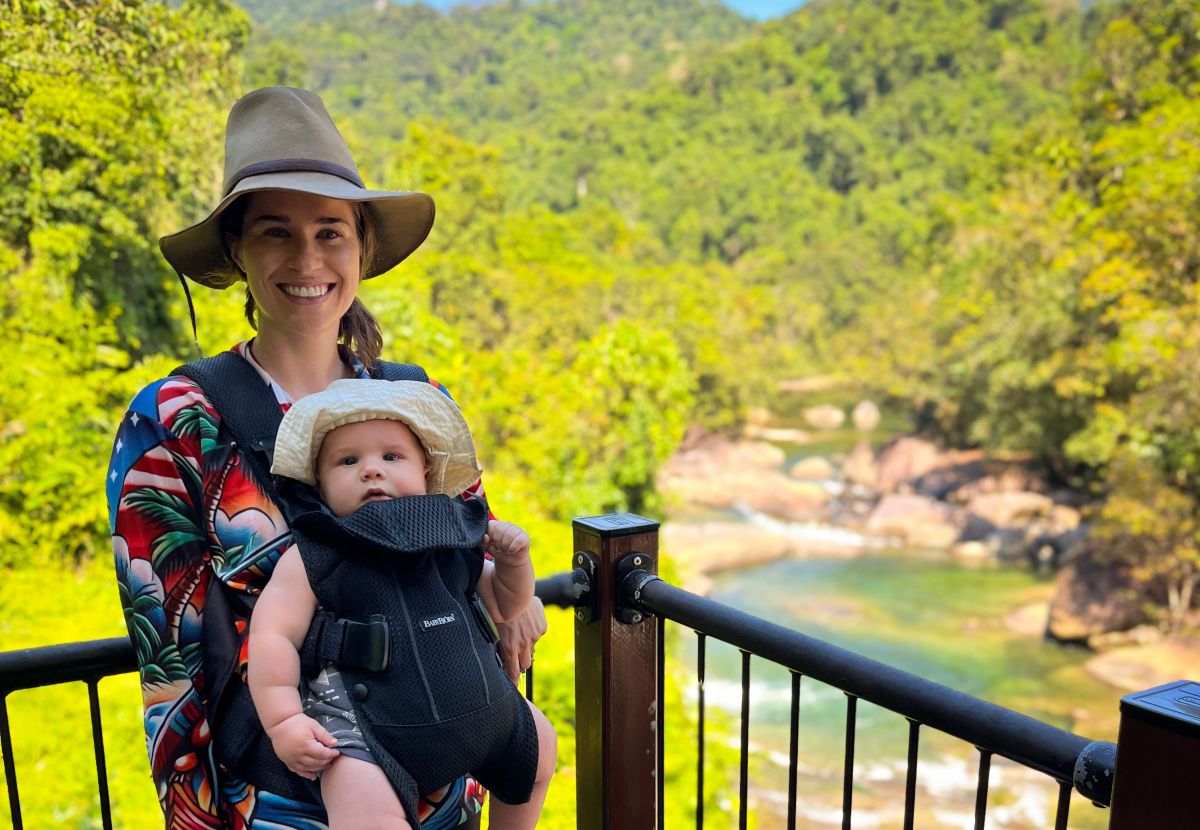
As an ACRRM Registrar Liaison Officer, Carolyn supports fellow registrars navigating the challenges of rural training.
“Isolation can be a big thing for rural registrars,” she explains, noting that consistent supervision and social connection can be difficult to maintain. “Many registrars express difficulty around support as they may be the only registrar in that area or have locum doctors in and out of the rural hospital without a supervisor who is constant.”
Advocacy has been a key part of her role. “I was also contacted about challenges faced with exams and assessment. As an RLO it was great to be able to advocate for these registrars and see positive changes made for future rural generalist registrars.”
Looking ahead, Carolyn sees rural generalists playing an even greater role in Australia’s healthcare system. “I see rural generalists reopening birthing services in rural areas… I also think with the backlog of waiting times at metro and regional hospitals rural generalist will bridge the gap with speciality work in rural hospitals.”
Carolyn credits James Cook University with preparing her for the realities of clinical practice.
“JCU prepares all of their students to hit the ground running in intern year, that was my experience as an intern,” she says.
“Now mentoring students and junior doctors it is still very obvious who the interns/RMOs who went to JCU were vs those who went elsewhere.”
Most importantly, JCU helped her understand the value of rural medicine — a lesson that has shaped her life.


NQRTH is an initiative of the Australian Government's Integrated Rural Training Pipeline (IRTP) and is facilitated by James Cook University in partnership with public and private hospitals, Queensland Aboriginal and Islander Health Council (QAIHC), health services, Aboriginal Community Controlled Health Organisations (ACCHOs) and GP clinics.
Cairns region
(07) 4226 7138
Central West region
(07) 4764 1547
Mackay region
(07) 4885 7122
North West region
(07) 4764 1547
Torres and Cape region
(07) 4095 6103
Townsville region
(07) 4781 3424