

16 June 2026
Cairns: Where Clinical Challenge Meets Culture and Community

For Dr Leah Moncrieff, medicine is deeply personal. A proud Aboriginal woman born and raised in Townsville, her connection to North Queensland is woven through family, culture and community — and it shapes the doctor she is becoming.
After completing her medical degree at James Cook University in Townsville, Leah felt the pull to broaden her horizons but wanted to stay true to her roots. When it came time to choose where to begin her career, Cairns ticked all the boxes.
“Cairns was the perfect fit – close enough to family but different enough to be exciting,” Dr Moncrieff says.
Choosing the Far North Queensland hospital for her internship has proven the right move, both professionally and personally.
“From day one, the staff at Cairns Hospital have been incredibly welcoming and supportive; the culture here is something special.”
Cairns Hospital offers the best of both worlds: clinical diversity that rivals a metropolitan hospital, combined with the close-knit feel of a regional hospital. For Leah, that has translated into hands-on experience, strong mentorship and opportunities that have accelerated her growth as a young doctor.
Reflecting on her intern year, she lists a string of stand-out moments.
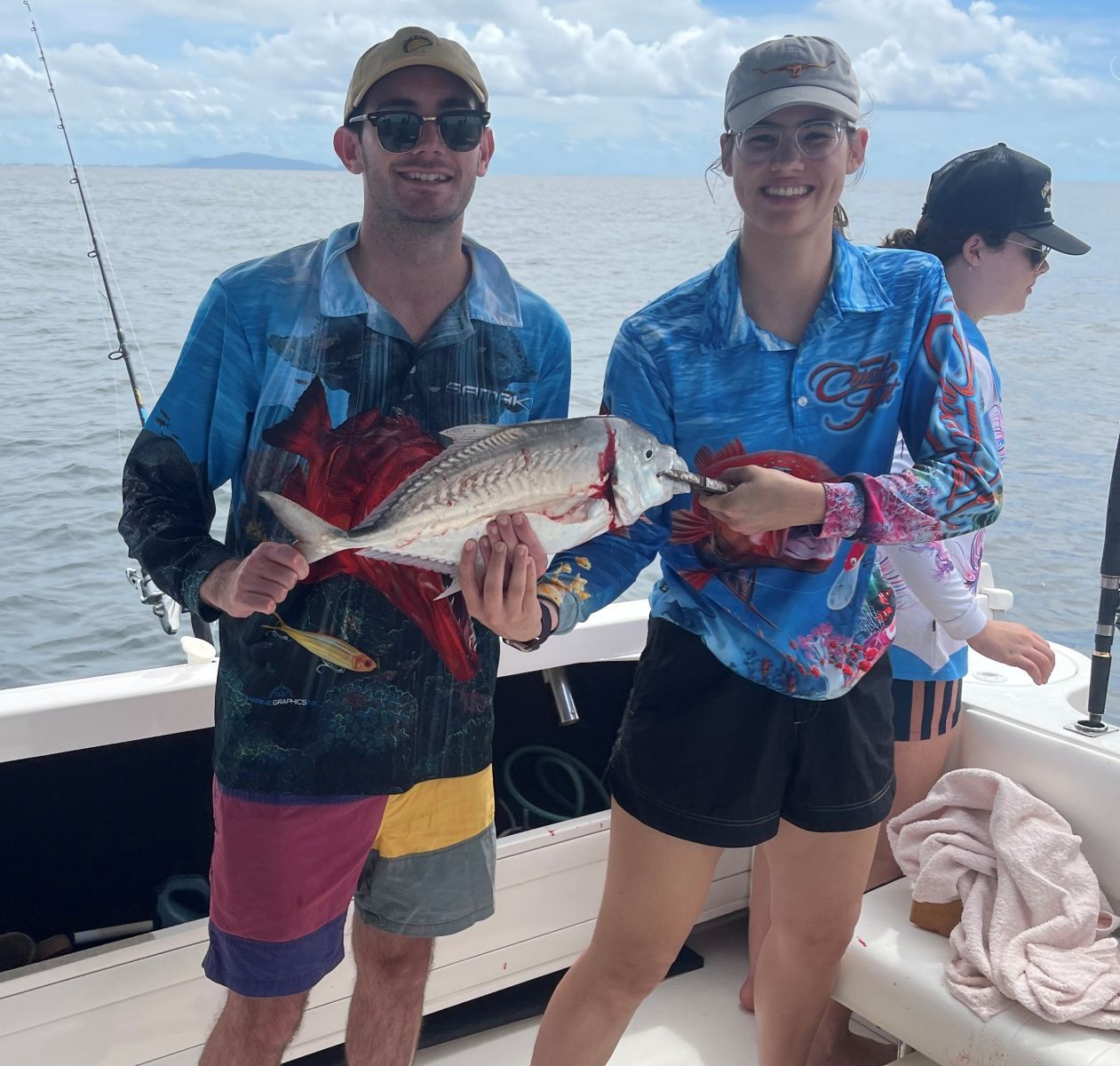
“From surviving my first run of crazy night shifts in ED – capped off with a celebratory breakfast with the medical team once the week finished, to performing multiple paracenteses for patients with chronic liver disease and presenting at my first research symposium to name a few,” Leah says.
Variety and mentorship aplenty on the job
Leah says other highlights include:
- Working in a tiny rural town, being part of the resus team and helping organise urgent transfers for critically unwell patients
- Stepping into the role of GP in that same town, with patients returning and specifically asking to see you as their doctor
- Being my own pathologist – diagnosing STIs under the microscope to enable immediate treatment
These experiences underscore one of the key advantages of training in Northern Queensland: breadth of practice and genuine responsibility early in your career.
“I’ve found strong mentorship here and opportunity for so many meaningful learning opportunities. Cairns serves as a referral centre for many rural communities, including the Torres and Cape region. It has been both professionally and personally rewarding to provide care to these patients and help get them safely home. I am excited for the opportunity to be involved in outreach work in the future,” she says.
Cairns’ role as a hub for surrounding rural and remote communities means junior doctors gain exposure to complex and culturally diverse presentations, while working closely with experienced clinicians who are invested in teaching. The smaller cohort size fosters camaraderie and ensures interns are known, supported and challenged in equal measure.
Looking ahead, Leah is drawn to women’s health and is carefully shaping her training to explore that pathway.
“I am strongly considering obstetrics and gynaecology as my career path. I’m currently doing a rotation in O&G, and I’ve really enjoyed the diversity day-to-day – ward rounds, clinics, operating theatre and birth suite. Each setting brings its own challenges and learning opportunities. I’ve got a long way to go and am excited to embrace every learning experience along the way, in all my rotations,” she says.
As a proud Aboriginal woman, Leah brings a powerful perspective to her practice—one that strengthens her connection with patients and her commitment to equitable care.
“Being Aboriginal makes me a better doctor. I understand the social and cultural factors influencing health outcomes for Aboriginal and Torres Strait Islander people. Every day, I strive to provide quality care, build trust, and consider the ‘whole person,’ not just the ‘patient’,” she says.
“I take pride in communicating well and advocating for all my patients, regardless of their cultural or social background, in a way that respects their experiences and needs … on what may be someone’s hardest day, simply being a calm, reassuring voice when needed most.
“I am keen to continue seeking opportunities in regional and rural settings in future, where I can contribute to more meaningfully to smaller communities and do my bit in reducing health disparities.”
Beyond the professional opportunities, Cairns offers an enviable lifestyle that makes work–life balance more than just a concept.
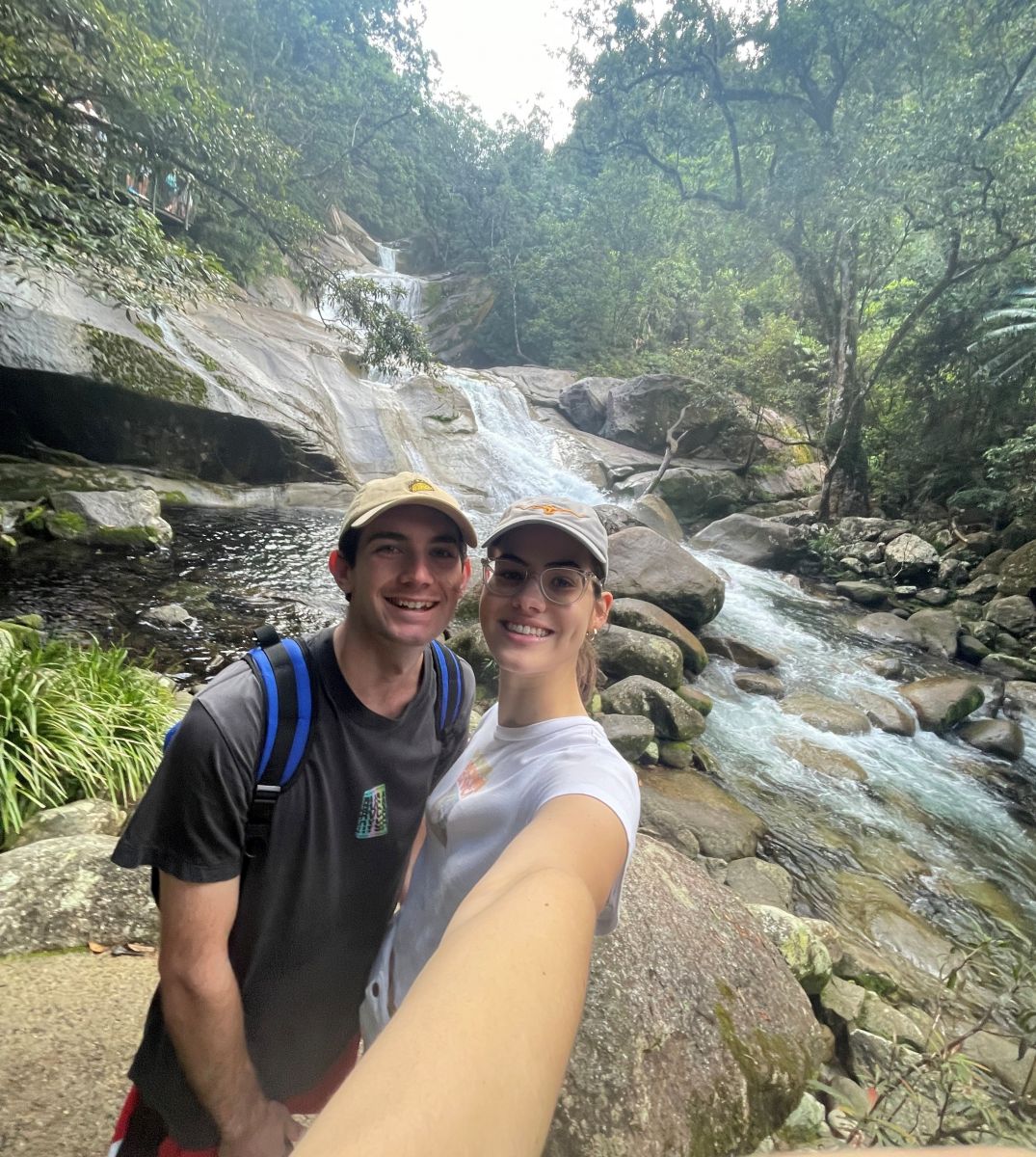
“I walk ten minutes to work with an esplanade view. I’ve enjoyed exploring everything this region has to offer – beaches, rainforests, waterfalls and the reef – all in my backyard,” Leah says.
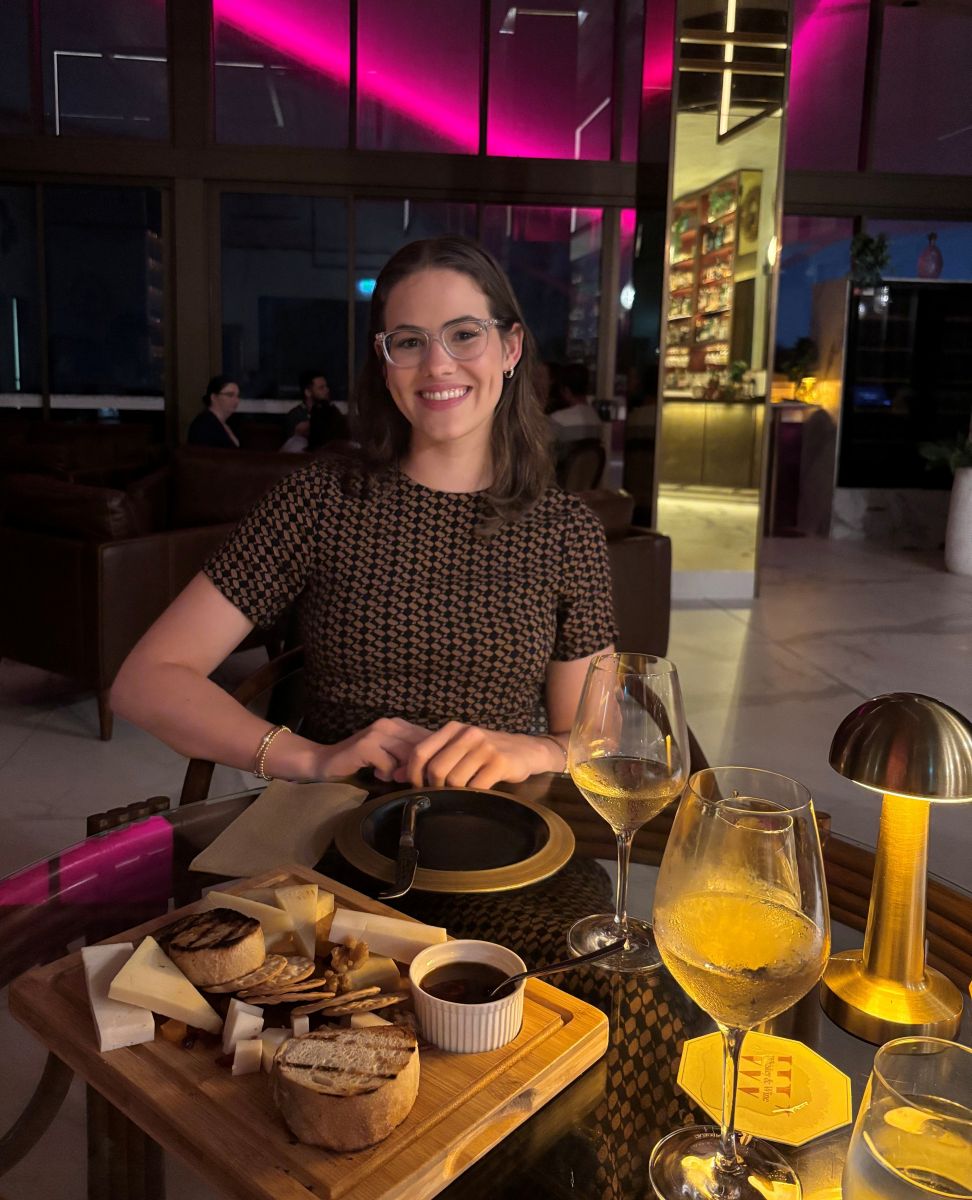
“Cairns also has a great social scene from pub crawls and wine tastings to run clubs and music festivals, making it easy to make friends both inside and outside of work.”
For Leah, training in Northern Queensland means practising meaningful, high-impact medicine in a setting that nurtures both professional growth and personal wellbeing.


NQRTH is an initiative of the Australian Government's Integrated Rural Training Pipeline (IRTP) and is facilitated by James Cook University in partnership with public and private hospitals, Queensland Aboriginal and Islander Health Council (QAIHC), health services, Aboriginal Community Controlled Health Organisations (ACCHOs) and GP clinics.
Cairns Region
(07) 4226 7138
Central West Region
(07) 4764 1547
Mackay Region
(07) 4885 7122
North West Region
(07) 4764 1547
Torres and Cape Region
(07) 4226 7138
Townsville Region
(07) 4781 3424