


13 August 2026
A Doctor for the North

Some of Dr Dennis Perez Castillo's most influential moments as a medical student did not happen in lecture theatres or simulation labs.
They happened in communities like Atherton, Innisfail and Proserpine, where the James Cook University medical graduate discovered firsthand the impact regional doctors can have far beyond hospital walls.
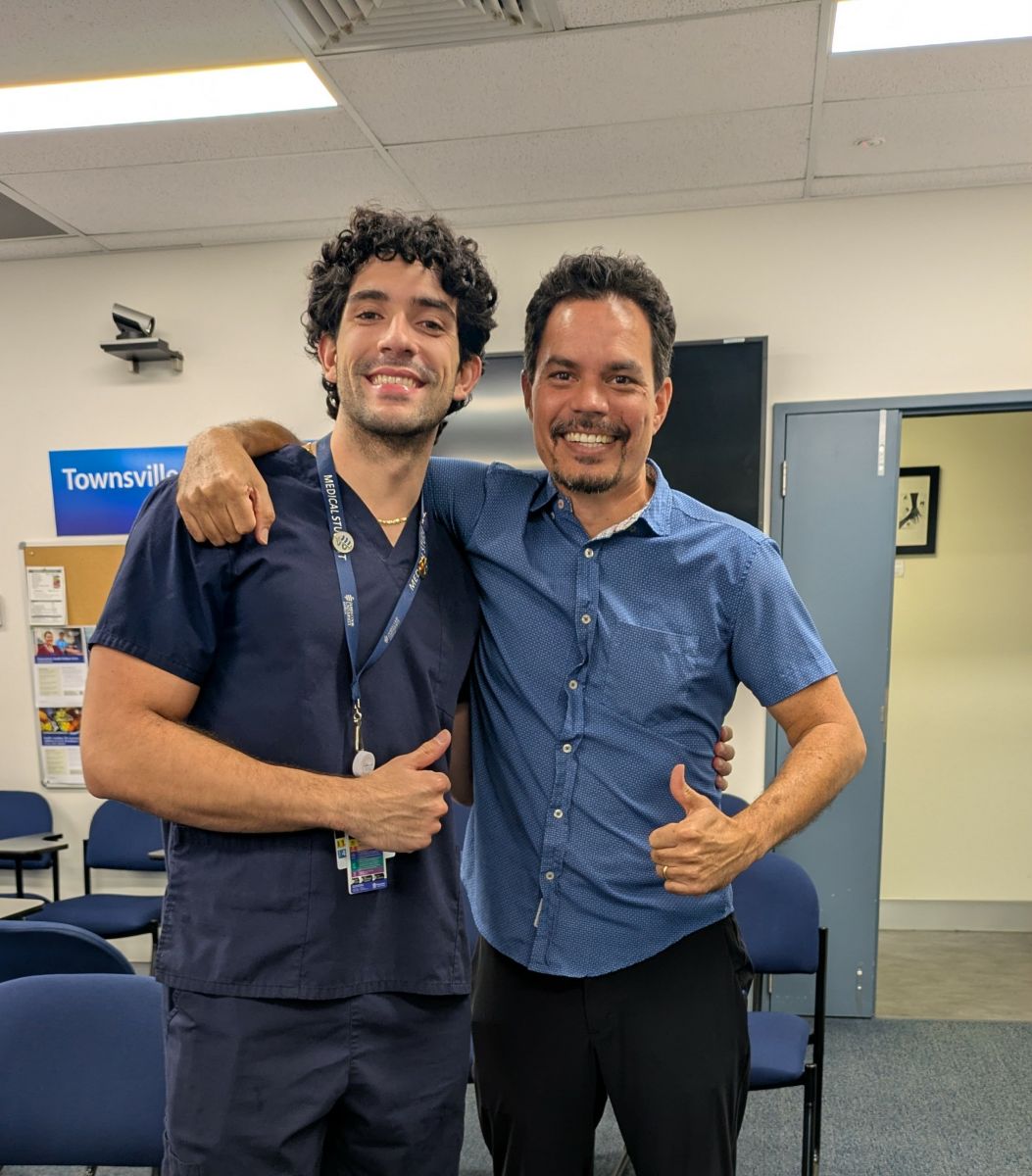
Now an intern at Townsville University Hospital and recipient of the University Medal, the highest academic honour awarded by JCU, Dr Perez Castillo is part of the growing pipeline of young doctors choosing to build their careers in northern Queensland.
He says the regional training experiences, clinical placements and mentors he encountered throughout medical school shaped both the doctor he has become and the future he hopes to build.
"Being a Townsville local, growing up and going to school here, choosing to study Medicine at JCU felt like the only right decision," he said.
"I wanted to pursue my dream career in a place I already felt connected to, in a community that values service, connection, and looking after one another."
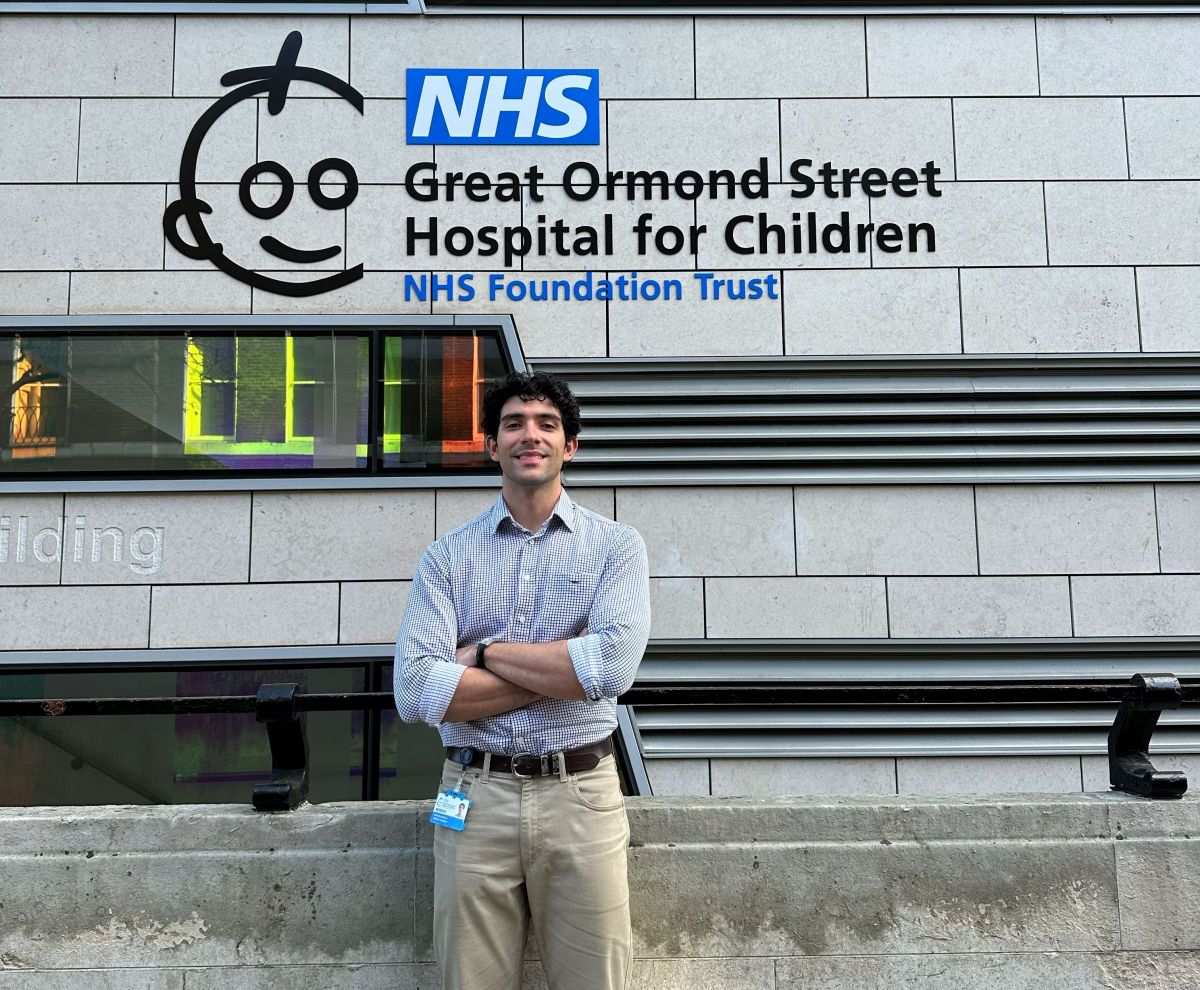
Regional training shaped his future
That sense of connection continued to grow throughout his time at JCU, where early clinical exposure, regional placements and a strong focus on culturally safe care reinforced his passion for northern and regional medicine.
"JCU's focus as a university in the north, for the north, had a big influence on how I developed as a medical student," Dr Perez Castillo said.
"The program places strong emphasis on producing work-ready, regionally focused doctors, and that mindset really shaped the way I think about medicine."
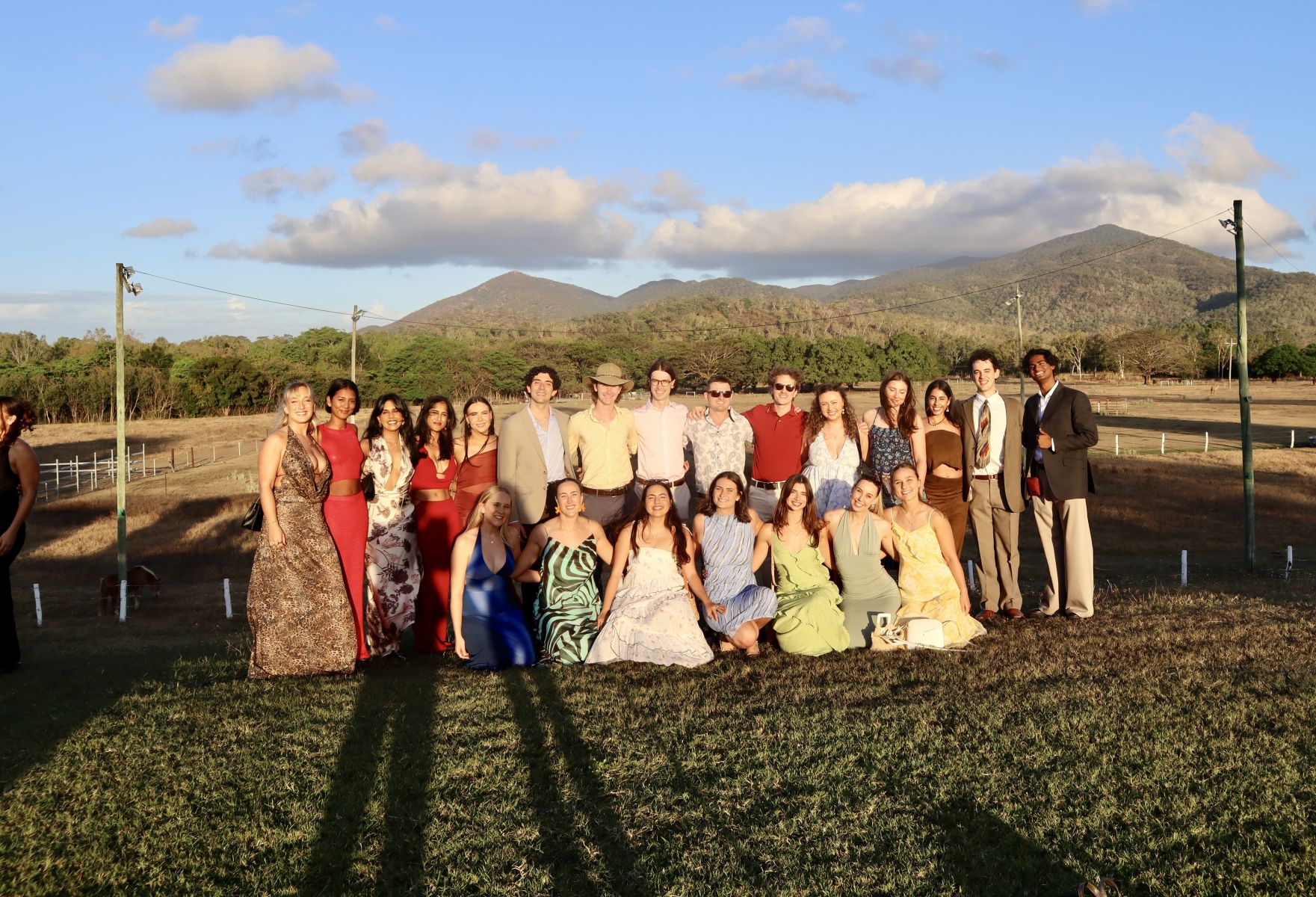
Throughout his studies, Dr Perez Castillo completed placements across northern Queensland, including Atherton, Innisfail and Proserpine. Those experiences, he says, transformed his understanding of what it means to practise medicine in regional communities.
"Rural placements across northern Queensland were particularly influential," he said.
"These experiences offered invaluable clinical exposure, but just as importantly, they allowed me to feel genuinely connected to the communities I was working in."
Being welcomed into community life outside the hospital walls helped shape his understanding of medicine beyond diagnosis and treatment.
"It highlighted the importance of understanding patients within their social and cultural context and showed me how rewarding and impactful regional medical practice can be," he said.
For NQRTH, experiences like these are an important part of strengthening the regional medical workforce by supporting connected training pathways that encourage doctors to live, train and remain in northern Queensland throughout their careers.
The mentors behind the journey
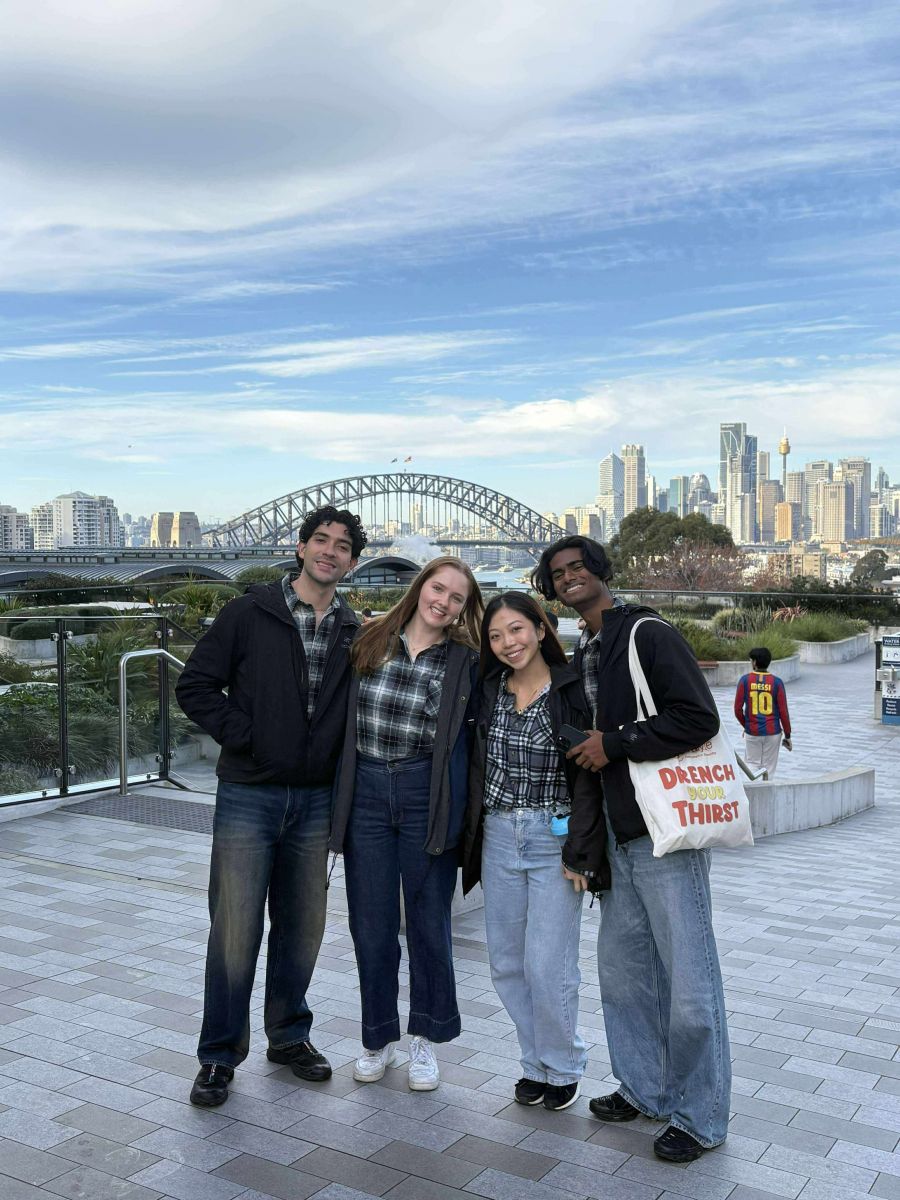
While Dr Perez Castillo's achievements have been recognised at the highest level through the University Medal, he is quick to credit the mentors, supervisors and clinicians who supported him along the way.
"Looking back, it's very clear to me that my medical journey has been a collective one," he said.
"While I'm proud of how far I've come, I certainly didn't get here on my own."
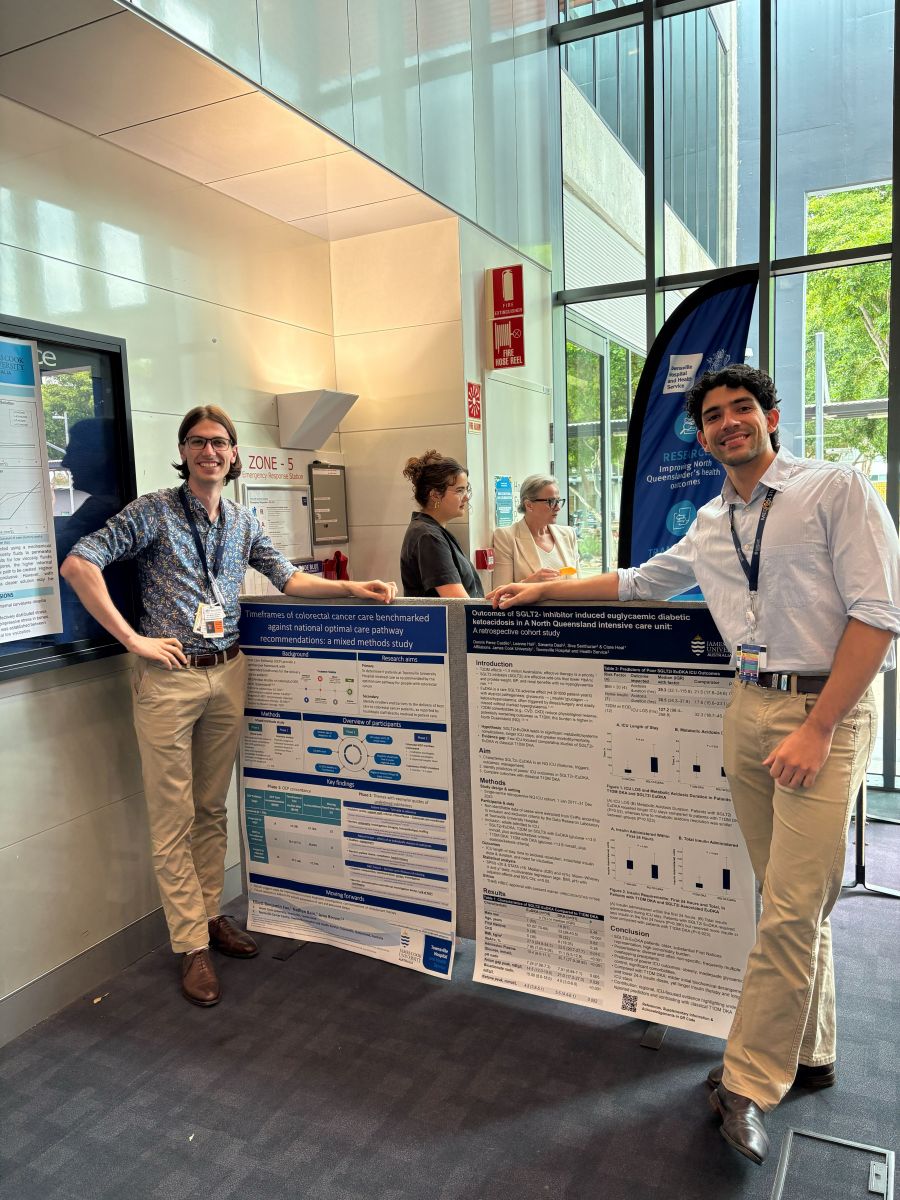
He spoke warmly of the doctors, lecturers and honours supervisors who encouraged his passion for research, critical care and compassionate medicine, including Dr Nnamdi Mgbemena, Dr Sabe Sabesan, Dr Zafar Smith, Dr Benedict Ponti, Dr Siva Senthuran, Dr Sananta Dash, Dr Clare Heal and Dr Leane Hall.
"They cultivated my interest in critical and primary care and instilled in me the value of human connection and compassion at both ends of the healthcare spectrum," he said.
Choosing to stay in the North
After graduating, choosing to begin his internship at Townsville University Hospital felt like a natural next step.
"Choosing to begin my internship at Townsville University Hospital felt like a natural continuation of my training and my connection to the region," he said.
"I was keen to remain in the community that supported my education and development, and to give back in a meaningful way."
Having already spent years training within the hospital environment as a student, Dr Perez Castillo said the transition into internship had been supported by familiar faces, approachable senior clinicians and strong mentoring relationships.
"What really stands out about training in Townsville is the balance it offers," he said.
"The hospital is small enough that junior doctors have regular, direct contact with senior consultants and can build strong mentoring relationships, yet large enough to offer a wide range of specialties and exposure to complex and varied cases."
Professionally, he has enjoyed the supportive culture and opportunities for responsibility as a junior doctor. Personally, he believes Townsville offers an unmatched lifestyle and sense of community.
"Townsville feels like a city that's growing into its own identity, with exciting prospects over the next five to ten years, both in the health sector and outside of it," he said.
"Being part of that as both a doctor and a local makes it an exciting place to build both a career and a future."
Building a long-term career
Looking ahead, Dr Perez Castillo hopes to pursue training in anaesthetics and intensive care medicine while continuing to build his career in northern Queensland.
He believes Townsville University Hospital's ongoing expansion, combined with the breadth of specialty training available locally, creates enormous opportunities for doctors wanting to complete specialist training without leaving the region.
"One of the things that appeals to me about training in anaesthetics here is that I can complete all my training right here in the North without having to relocate to a capital city," he said.
"I won't miss out on exposure to the full range of anaesthetic subspecialties, from high-risk obstetrics and paediatrics through to cardio-thoracic and neurosurgery."
For Dr Perez Castillo, the future of healthcare in northern Queensland is bright and he is proud to be part of the next generation of doctors choosing to build their careers close to home.
"It's exciting to be training at a hospital that's clearly growing and evolving," he said.
"These upgrades strengthen Townsville's role as a major training and referral centre in northern Queensland, making training and remaining here in the north all the more appealing."


NQRTH is an initiative of the Australian Government's Integrated Rural Training Pipeline (IRTP) and is facilitated by James Cook University in partnership with public and private hospitals, Queensland Aboriginal and Islander Health Council (QAIHC), health services, Aboriginal Community Controlled Health Organisations (ACCHOs) and GP clinics.
Cairns Region
(07) 4226 7138
Central West Region
(07) 4764 1547
Mackay Region
(07) 4885 7122
North West Region
(07) 4764 1547
Torres and Cape Region
(07) 4226 7138
Townsville Region
(07) 4781 3424